

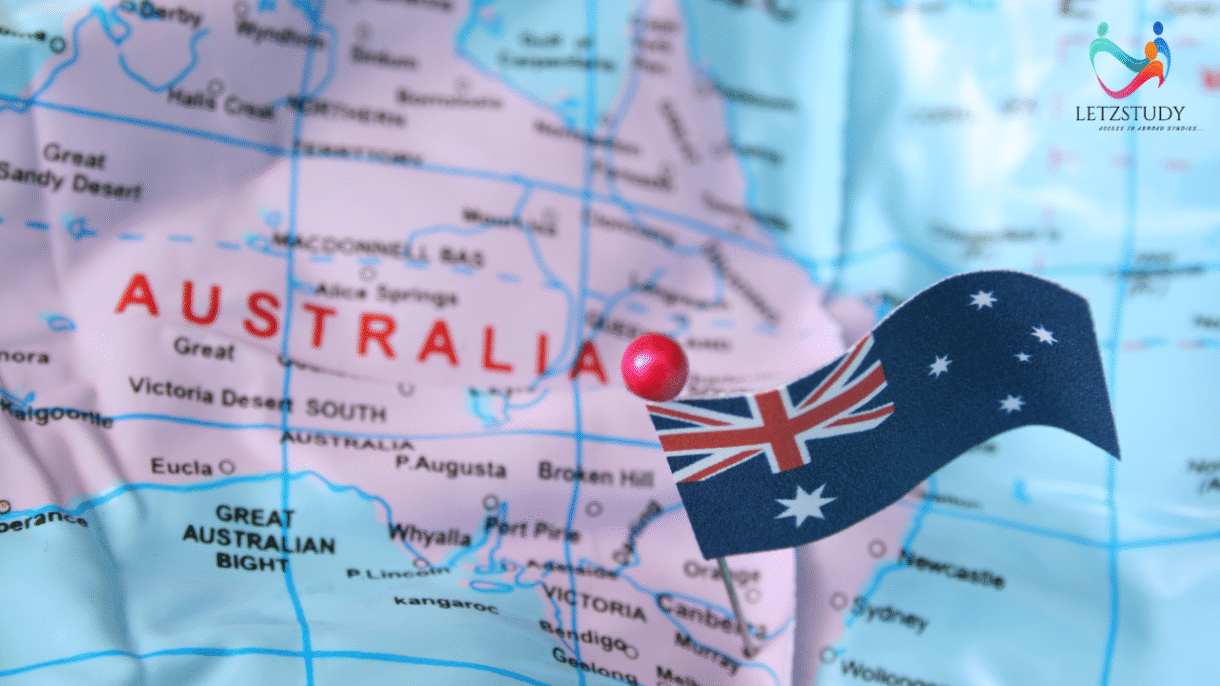
For students planning postgraduate study overseas, understanding the masters in Australia for Indian students requirements is an important first step. Australian universities and higher education providers offer master’s programs across areas such as business, information technology, engineering, data science, cybersecurity, health, education and other professional fields.
The admission requirements are not identical across universities or courses. Your previous qualification, academic background, English proficiency, course prerequisites and, for some programs, professional experience can affect your eligibility. Australian student visa requirements are also separate from university admission requirements.
For 2026-27, students should therefore check both the requirements of their chosen education provider and the latest Australian Government visa rules before applying. This guide explains the major requirements, approximate costs, documents, application process, student visa conditions and post-study considerations for Indian students.
Why Study a Master’s Degree in Australia?
Australia has a large higher-education sector offering postgraduate programs to international students. Master’s courses are available in both coursework and research formats, depending on the institution and subject.
For Indian students, some potential advantages include:
-
- A wide selection of postgraduate courses and specialisations.
-
- Opportunities to study in areas such as technology, business, engineering, health and other professional disciplines.
-
- Access to university career services, internships and industry engagement where offered by the course.
-
- The possibility of working while studying, subject to student visa conditions.
- Potential post-study options for eligible graduates through Australia’s Temporary Graduate visa framework.
However, students should not choose a university solely because of its location or reputation. Course structure, accreditation, entry requirements, tuition fees, living costs, career opportunities and visa considerations should all be reviewed before making a decision.
What Are the Requirements for a Master’s in Australia?
The exact requirements for a master’s degree depend on the university and course. Study Australia states that postgraduate applicants generally need to have completed at least an undergraduate degree, while providers may also consider research ability or relevant work experience.
Academic Qualifications
The most important academic requirement is usually a recognised bachelor’s degree or equivalent qualification.
For Indian students, Australia’s qualification-recognition arrangements state that Indian bachelor’s degrees can provide admission to Australian master’s degree programs, with credit transfer considered where appropriate. However, this does not mean every university or course has identical entry criteria. Individual providers may specify particular academic backgrounds, subjects, grades or prerequisite knowledge.
Depending on your chosen course, you may need:
-
- A relevant bachelor’s degree.
-
- A specified academic performance or grade requirement.
-
- Previous study in particular subjects.
-
- Relevant academic prerequisites.
-
- A portfolio for selected creative programs.
-
- Research experience for certain research-based programs.
- Relevant professional experience for some specialised courses.
Always check the individual course page before applying.
English Language Requirements
Most international students need to demonstrate English-language proficiency for admission unless they qualify for an exemption accepted by their institution.
Commonly recognised tests can include:
-
- IELTS Academic
-
- PTE Academic
-
- TOEFL iBT
- Cambridge English
- Other tests accepted by the individual institution
The required score can differ significantly between universities, courses and professional programs. Therefore, there is no single English score that applies to every master’s degree in Australia.
For the Student visa, the Australian Government also has separate English-language requirements. For Student visa applications, the minimum test requirement was increased to IELTS 6.0 or equivalent in 2024, subject to the applicable test and exemption rules.
This means you should distinguish between:
University requirement:
The English score required by your university or course.
Visa requirement:
The English evidence required by the Department of Home Affairs for your Student visa, if applicable.
Meeting the visa minimum does not necessarily mean you meet the university’s admission requirement.
Course-Specific Requirements
Some master’s programs require more than a general bachelor’s qualification.
For example, a technology program may expect previous computing or mathematics knowledge, while a professional health course may have specific academic or registration-related conditions.
Before applying, check:
-
- The required previous qualification.
-
- Subject prerequisites.
-
- Minimum academic performance.
-
- English requirements.
-
- Work experience requirements, if applicable.
-
- Portfolio, interview or additional assessment requirements, if applicable.
- Whether the course has professional accreditation or registration requirements.

Work Experience and Other Conditions
Work experience is not a universal requirement for master’s study in Australia.
Some programs are designed for recent graduates and may focus primarily on academic qualifications. Others, particularly certain business or professional programs, may request relevant employment experience.
If a university requires work experience, applicants should provide appropriate evidence such as employment letters, experience certificates or other documents requested by the institution.
Masters in Australia for Indian Students: English Requirements
English proficiency is an important part of both university admission and, where applicable, the student visa process.
For admission, the required score depends on the institution and course. Students should not assume that the same IELTS or PTE requirement applies to every university.
For the Student visa, the Department of Home Affairs accepts several approved English tests, including IELTS, PTE Academic, TOEFL iBT, Cambridge C1 Advanced, OET, MET, CELPIP General and LANGUAGECERT Academic, subject to the applicable conditions. Tests taken completely online or at home are not accepted as evidence for Australian visa purposes.
What should Indian students do?
Before booking an English test:
-
- Check your university’s current English requirement.
-
- Check whether your course has a higher requirement.
-
- Check the latest Department of Home Affairs requirements.
-
- Confirm which test formats are accepted.
-
- Check whether your test result will remain valid when you apply.
- Check whether your test result will remain valid when you apply.
If you are planning several university applications, compare their English requirements before choosing your target score.
Documents Required to Apply for a Master’s in Australia
The exact document list varies between providers, but Indian students will commonly need documents such as:
-
- Valid passport.
-
- Bachelor’s degree certificate.
-
- Academic transcripts or marksheets.
-
- English-language test result, where required.
-
- Updated CV or résumé, if required.
-
- Statement of purpose or similar personal statement, where requested.
-
- Employment documents, if work experience is required.
-
- Portfolio or additional academic material for selected courses.
-
- Scholarship documents, if applying for funding.
-
- Certified translations where documents are not in an accepted language or format.
- Certified translations where documents are not in an accepted language or format.
For the visa application, additional documents may be required. The Department of Home Affairs’ Document Checklist Tool determines the evidence applicable to an individual application, including financial capacity, English evidence and intended study documentation.
Masters in Australia for Indian Students Cost
The total cost of studying a master’s degree in Australia depends on the university, course, city, duration and lifestyle.
Study Australia notes that education costs vary according to the education provider, level of study and location. Living expenses also differ across Australia and can be higher than the amount used for visa financial-capacity purposes.
Tuition Fees
For international students, master’s tuition fees vary considerably between institutions and courses.
As a broad planning approach, students should expect tuition to be a major part of their overall study budget and check the current fee published by each university.
When comparing courses, look at:
-
- Total course tuition.
-
- Tuition per year or study period.
-
- Course duration.
-
- Scholarship availability.
-
- Additional academic or laboratory charges.
-
- Whether the university charges by subject or credit point.
- Whether the university charges by subject or credit point.
Do not compare universities only by their advertised first-year tuition if one program is substantially longer or shorter.
Living Expenses
Living costs depend heavily on the city and your lifestyle.
Your budget may include:
-
- Accommodation.
-
- Food and groceries.
-
- Public transport.
-
- Mobile and internet services.
-
- Study materials.
-
- Personal expenses.
-
- Utilities.
-
- Health-related expenses not covered by insurance.
- Health-related expenses not covered by insurance.
Shared accommodation can sometimes reduce housing expenses. Study Australia notes that many international students live with other students to make living costs more affordable.
For visa purposes, applicants may need to demonstrate financial capacity covering travel, living costs, tuition and relevant expenses. The Department of Home Affairs should be checked for the current evidence requirements before applying.
Other Study Costs
Your budget may also need to account for:
-
- Student visa application charges.
-
- Overseas Student Health Cover.
-
- Airfare.
-
- Accommodation bond.
-
- Course materials.
-
- Initial settlement expenses.
- Initial settlement expenses.
From July 2026, the Australian Student visa application charge is approximately AUD 2,500 for the standard primary applicant, subject to applicable exemptions and changes.
Do not treat this figure as your total visa-related budget because other expenses can apply.
How to Apply for a Master’s in Australia
The application process generally follows a sequence similar to this:
1. Shortlist Courses
Start by identifying courses that match your bachelor’s degree, career interests and academic background.
Compare:
-
- Course curriculum.
-
- Duration.
-
- Entry requirements.
-
- English requirements.
-
- Tuition.
-
- Location.
-
- Internship or project opportunities.
-
- Accreditation where relevant.
-
- Career services.
2. Check Eligibility
Read the official university course page carefully.
Do not rely only on a general university admission page because individual master’s courses may have different prerequisites.
3. Prepare Your Documents
Prepare your academic records, passport, English test results and other documents requested by the institution.
4. Submit the Application
Depending on the institution, you may apply directly to the university or through an authorised education agent.
Study Australia confirms that applicants can apply directly to education providers, while education agents can also assist students with applications and information about studying in Australia.
5. Receive and Review the Offer
If successful, you may receive a Letter of Offer.
Read the conditions carefully before accepting it, particularly the course details, fees and other enrolment conditions.
6. Obtain Your Confirmation of Enrolment
After accepting the offer and completing the required steps, your education provider issues a Confirmation of Enrolment (CoE).
A CoE is required for most Student visa applicants as evidence of intended study.
7. Apply for the Student Visa
After obtaining the required documents, submit the Student visa application through the appropriate Australian Government process.
Student Visa Requirements for Australia
Admission to an Australian university and approval of an Australian Student visa are separate processes.
The Student visa subclass 500 allows eligible international students to study in Australia. Students must meet the applicable visa requirements and conditions.
Confirmation of Enrolment
You generally need a CoE for your intended course when lodging a Student visa application, unless a specific exception applies.
Genuine Student Requirement
The Genuine Student (GS) requirement is an important part of the Student visa process.
Applicants are asked about areas including:
-
- Their current circumstances.
-
- Why they want to study the selected course in Australia.
-
- Why they selected the particular education provider.
-
- Their understanding of studying and living in Australia.
-
- How completing the course will benefit them.
-
- Other relevant information.
- Other relevant information.
The Department states that responses should be in English and that each relevant response has a maximum of 150 words. Supporting evidence can also be important in assessing the application.
A strong application should therefore show a clear connection between your previous education, proposed course and future plans.
Financial Capacity
Student visa applicants may need to provide evidence that they have sufficient funds for expenses associated with studying in Australia.
This can include:
-
- Travel costs.
-
- Living expenses.
-
- Tuition fees.
-
- School costs for eligible school-aged dependants.
- School costs for eligible school-aged dependants.
The exact evidence requirements depend on the applicant and are determined through the Department’s current checklist.
Study Australia currently identifies a financial-capacity figure of around AUD 29,710 for the primary student applicant, while actual living costs can be higher depending on location and lifestyle.
This article is for educational and informational purposes. University admission requirements, tuition fees, visa rules, scholarships, immigration policies and post-study opportunities may change. Students should verify the latest information with the relevant university, government authority, immigration department, embassy or official source before making a decision.
Overseas Student Health Cover
International students generally need Overseas Student Health Cover (OSHC) for the duration of their stay.
The insurance requirement should be arranged according to the visa and course circumstances before lodging the application.
Can Indian Students Work While Studying in Australia?
Eligible Student visa holders can generally work while studying, subject to their visa conditions.
Study Australia currently states that students can work up to 48 hours per fortnight while their course is in session, while students who have started a master’s degree by research or a doctoral degree have different work-hour rules.
Students should check their individual visa conditions rather than assuming that all international students have identical work rights.
Part-time work can help students gain experience and manage some expenses, but it should not be treated as a guaranteed way to fund tuition or living costs.
Study Australia also recommends balancing employment with study commitments and using university career services, job boards, alumni networks and recruitment agencies when looking for work.
Scholarships for Master’s Students in Australia
Scholarships can reduce the financial burden of studying in Australia, but eligibility and availability vary.
Potential sources include:
-
- University scholarships.
-
- Australian Government scholarship programs.
-
- Research scholarships.
-
- Private and institutional funding.
-
- Scholarships offered specifically to international students.
- Scholarships offered specifically to international students.
Study Australia notes that education providers regularly offer scholarships to qualifying international students, while the Australian Government’s Research Training Program supports eligible domestic and international students undertaking research master’s and doctoral degrees.
When evaluating a scholarship, check:
-
- Academic eligibility.
-
- Country eligibility.
-
- Course eligibility.
-
- Application deadline.
-
- Scholarship value.
-
- Whether it covers tuition, living costs or both.
-
- Whether a separate scholarship application is required.
- Whether a separate scholarship application is required.
Never assume that receiving an admission offer automatically means you will receive a scholarship.
What Happens After Completing a Master’s in Australia?
Graduation does not automatically provide permanent residence or a job in Australia.
Eligible graduates may be able to explore the Temporary Graduate visa (subclass 485) and other available visa pathways, depending on the qualification and their circumstances.
The current Post-Higher Education Work stream is available to eligible graduates with qualifying degree-level qualifications. Study Australia states that eligible graduates may generally receive a temporary stay period of around two to three years depending on their qualification, while regional graduates may have access to a second Post-Higher Education Work stream if they satisfy the relevant requirements.
Students should check the rules that apply when they graduate because Australian immigration requirements can change.
For employment, focus during your studies on:
-
- Building technical or professional skills.
-
- Completing relevant projects.
-
- Developing a professional résumé.
-
- Building industry connections.
-
- Using university career services.
-
- Seeking internships or relevant work experience where available.
-
- Understanding employer expectations in your field.
- Understanding employer expectations in your field.
A degree can support your career development, but employment is not guaranteed.
Common Mistakes Indian Students Should Avoid
Choosing a Course Without Checking Prerequisites
A master’s course may require a specific academic background. Always check the course-specific eligibility criteria.
Comparing Only Tuition Fees
A lower tuition fee does not necessarily mean a lower overall study cost. Consider accommodation, transport, living expenses, insurance and course duration.
Treating University Requirements as Visa Requirements
University admission and visa assessment are different processes. Meeting an admission requirement does not automatically satisfy every visa requirement.
Preparing the GS Requirement at the Last Minute
The Genuine Student assessment considers your circumstances, course choice and understanding of your proposed study. Prepare accurate and evidence-supported responses.
Depending Entirely on Part-Time Work
Part-time employment should be considered supplementary financial support rather than a guaranteed source of funding.
Ignoring Changing Immigration Rules
Visa fees, English requirements, work conditions and graduate visa rules can change. Always check the latest Australian Government information before applying.

FAQs
What are the basic requirements for a master’s in Australia for Indian students?
Generally, applicants need a recognised bachelor’s degree or equivalent qualification, along with any course-specific prerequisites and English-language evidence required by the institution. Individual universities may have additional requirements.
Is IELTS required for a master’s in Australia?
Many universities require English-language evidence from international applicants, but the exact requirement depends on the university and course. Student visa applicants may also need to meet separate Australian Government English-language requirements.
How much does a master’s in Australia cost for Indian students?
The total cost varies according to the university, course, location and lifestyle. Students should calculate tuition, accommodation, food, transport, insurance, visa costs and other expenses rather than relying on tuition alone.
Can Indian students work while studying for a master’s in Australia?
Eligible Student visa holders can generally work up to 48 hours per fortnight while their course is in session, subject to their visa conditions. Different rules apply to master’s by research and doctoral students.
What is the Genuine Student requirement for Australia?
The Genuine Student requirement assesses whether an applicant is genuinely seeking to study in Australia. Applicants answer questions about their circumstances, proposed course, education provider, study plans and the benefit of the course to their future.
Can I stay in Australia after completing my master’s?
Eligible graduates may be able to apply for a Temporary Graduate visa or explore other available visa pathways. Eligibility, duration and conditions depend on the applicable rules at the time of application.
Key Takeaways
For Indian students, studying for a master’s in Australia involves more than meeting a university’s academic entry criteria. You need to consider your bachelor’s qualification, course prerequisites, English proficiency, finances, documents, university application and Student visa requirements together.
The right approach is to shortlist courses that match your academic background and career goals, compare their requirements and costs, prepare the necessary documents and verify the latest visa rules before applying. If you are considering masters in Australia for Indian students in 2026-27, early preparation can make the application process more organised and help you understand the financial and academic commitment involved.
Start Your Study Abroad Journey
If you are planning to study abroad and need help understanding your options, you can connect with a LetzStudy counsellor for personalised guidance. We can help you explore suitable countries, universities, courses, eligibility requirements, application steps and other aspects of your study-abroad journey based on your academic profile and goals.
Book a Free Consultation.
