


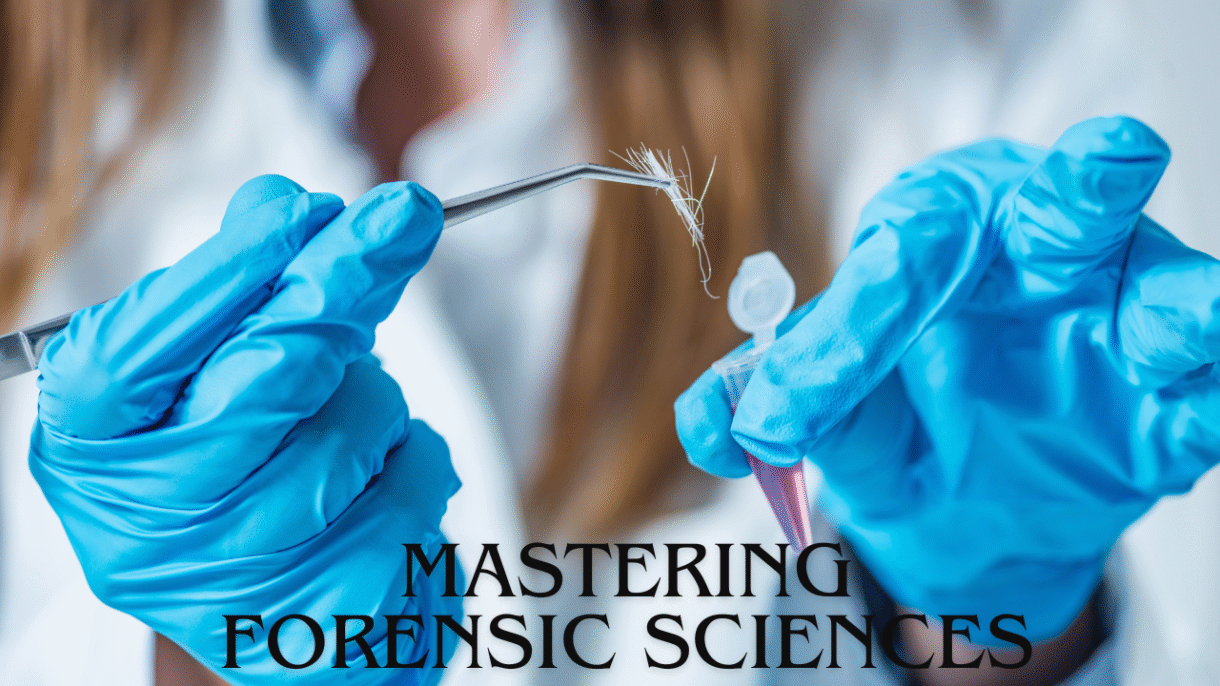
Want to know how Forensic Sciences can help you get a job abroad? This field blends science, investigation, and law to solve real-world mysteries. When you study forensic sciences, you gain the ability to work across different environments globally—from analyzing evidence to reconstructing crime scenes.
This guide walks you through everything you need to understand if you’re aiming for a career in criminal investigation, forensic labs, or research. By the end, you’ll have a clear idea of why this field matters, the challenges you may face, and how to prepare for studying abroad.
What are Forensic Sciences?
Forensic sciences involve applying scientific methods to investigate crimes and legal cases. It brings together biology, chemistry, physics, and digital analysis to uncover evidence that can stand in court.
Students typically explore areas like DNA analysis, fingerprint identification, crime scene investigation, and forensic toxicology.
Why it matters:
Accurate forensic work can reopen cold cases, prevent wrongful convictions, and ensure justice is served. It demands precision, critical thinking, and a strong scientific approach.
Some Problems That Happen a Lot in Forensic Science
Analysis of Complicated Evidence
Crime scenes are rarely straightforward. When evidence is incomplete or contaminated, reaching accurate conclusions becomes difficult.
Work That Needs to Be Done Quickly
Time pressure is constant. Investigations require both speed and precision, which can be challenging to balance.
Keeping Up With Technology
With rapid advancements in digital forensics, biometrics, and AI-driven tools, professionals must continuously update their knowledge to stay relevant.
The Most Important Skills You Need
Thinking Critically
Being able to carefully evaluate data and draw accurate conclusions is essential in forensic work.
Paying Attention to Details
Even the smallest detail can shift the direction of a case. Missing something minor can impact the entire investigation.
Skills for Talking to People
Forensic experts must clearly explain their findings—whether in written reports or in courtrooms.
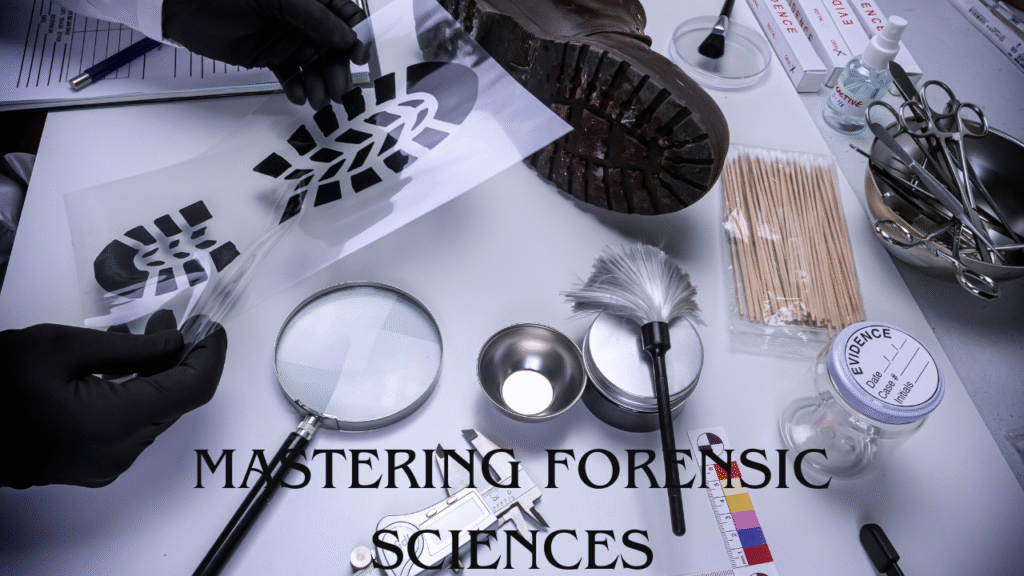
How Studying Forensic Sciences in Another Country Can Help Your Career
Studying abroad opens doors to advanced labs, global research techniques, and real-world training. You’ll benefit from:
• Access to modern forensic technology
• Internship opportunities with international law enforcement agencies
• Exposure to different legal systems and investigative approaches
These experiences give you a strong edge in global forensic careers.
How to Do Well in Forensic Sciences
Pick the Right Program
Choose courses that balance theory with practical exposure, including labs and internships.
Improve Your Technical Skills
Get comfortable with advanced lab tools, digital evidence software, and crime scene protocols.
Network Around the World
Join forensic science communities and attend global workshops to expand your professional circle.
Put Ethics First
Integrity is non-negotiable in this field, as professionals handle sensitive evidence that can impact lives.
Finding the Right Chance to Study Abroad
When exploring international programs, focus on:
• University reputation and accreditation
• Availability of practical training and lab work
• Internship and career support services
• Successful alumni in forensic careers
A thoughtful application approach ensures better exposure and meaningful experience.
Why You Should Spend Money on Forensic Sciences
Choosing forensic sciences means stepping into a field that blends science, investigation, and justice. The global demand for skilled professionals continues to grow.
Studying abroad not only deepens your knowledge but also gives you a broader perspective, helping you stand out in a competitive job market.
What Are the Forensic Sciences?
Forensic sciences use scientific methods to investigate crimes, analyze evidence, and support legal processes. It includes areas such as DNA analysis, toxicology, digital forensics, fingerprint analysis, and criminal profiling.
Today, the field is evolving quickly with AI, biometrics, and advanced technologies improving accuracy and reducing human error.
6 Things That Often Go Wrong in Forensic Science
- Contaminated Evidence: Improper handling leads to unreliable results
- Human Error: Mistakes in analysis or reporting still occur
- Old Technology: Outdated tools slow down investigations
- Not Enough Training: Lack of continuous learning affects performance
- Legal and Ethical Issues: Misinterpretation and privacy concerns
- Data Overload: Handling massive digital data becomes overwhelming
Understanding these issues highlights the need for strong management practices.
13 Tips for Managing Forensic Sciences
- Follow strict chain-of-custody rules
- Regularly validate forensic tools
- Use digital case management systems
- Conduct continuous staff training
- Standardize reporting formats
- Encourage peer reviews
- Maintain updated databases
- Use AI tools for faster analysis
- Perform internal audits regularly
- Promote collaboration across departments
- Prioritize ethical data handling
- Stay updated with research
- Monitor outcomes and improve processes
Opinions of Experts and Influencers
• Dr. Henry Lee is widely respected for his contributions to criminal investigations
• Dr. Katherine Ramsland is known for her expertise in forensic psychology and profiling
Quotes from Experts
- “Forensic science is only as reliable as the systems and training behind it.” – Henry Lee
- “Digital forensics is the next frontier; mastering it is key for international standards.” – Katherine Ramsland
protocols, and ongoing training, they improved case resolution rates by 30% within a year.
Looking for Other Experts and Points of View
• Explore journals like Journal of Forensic Sciences
• Connect with professionals on LinkedIn and Twitter
• Attend global workshops and conferences
Why Forensic Sciences Management is Important for Studying Abroad
Strong management skills help labs operate efficiently and prepare students for global careers. Understanding evidence handling, lab standards, and complex data analysis makes you a competitive candidate internationally.
Three Articles by Experts
- The Prosecutor’s Fallacy and Expert Testimony: A Contemporary Analysis Utilizing Likelihood Ratios — Maria Cuellar
- Antonino Zappalà et al. explore advanced technologies like VR and deep learning in crime scene investigations
- Forensic Science and How Statistics Can Help It: Evidence, Hypothesis Testing, and Graphical Models — Xiangyu Xu & Giuseppe Vinci
Two Expert Quotes on Forensic Sciences
- “Forensic science has a lot of potential because it uses ideas from many fields.” – Mark Walport
- “Science gave us forensics. Law gave us crime.” – Mokokoma Mokhonoana
Stories of Testimonials
Rohan Shetty – Bengaluru
Rohan was always fascinated by crime scene investigation but didn’t know how to pursue it abroad. LetzStudy guided him through university selection, applications, and scholarships. He secured admission in a top UK program and quickly landed an internship at a reputed crime lab.
Ananya Gowda – Mysuru
After her undergraduate degree, Ananya felt stuck choosing the right path. LetzStudy helped her shortlist universities, refine her applications, and prepare for international standards. She got into a leading program in Canada and smoothly transitioned with visa and pre-departure support.
Vikram Hegde – Mangaluru
Vikram wanted hands-on forensic experience but wasn’t sure which country suited him best. LetzStudy analyzed his profile and recommended programs focused on research and lab work. Now studying in Australia, he’s actively working on real forensic projects and shaping his future career.
Are you ready to move forward in your forensic science career? Call LetzStudy today to set up your personalized consultation and make your dream of studying abroad come true!
For more information, connect us on LinkedIn, and for daily updates, follow us on Instagram.
