

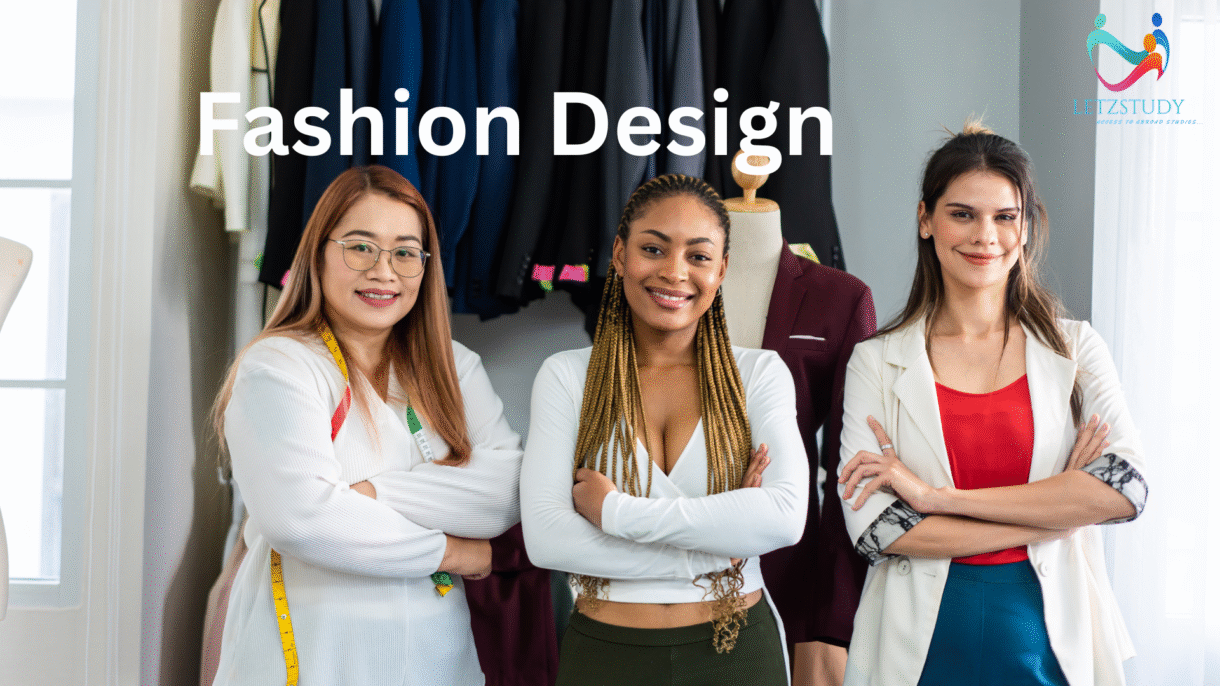
Fashion design is much more than creating attractive clothes. It combines creativity, design thinking, textiles, technology, craftsmanship and an understanding of how clothing is developed for different markets and consumers. In 2026-27, students interested in fashion can choose from programmes covering areas such as apparel design, textile development, fashion technology, styling, merchandising and fashion business.
For students considering fashion design abroad, international education can provide exposure to different design cultures, production methods, creative communities and fashion markets. However, choosing a course should involve more than looking at a university’s reputation. Students should consider the curriculum, practical training, portfolio requirements, facilities, location, career opportunities and overall cost.
This guide explains what fashion design really involves, what students learn, the skills they need, popular destinations and career opportunities after graduation.
What Is Fashion Design?
Fashion design is the process of developing concepts and designs for clothing, accessories and other fashion products. It involves transforming an idea into a wearable product by considering aesthetics, functionality, materials, construction and the intended customer.
A fashion designer may work on individual garments, complete collections or specialised products. The work can include researching trends, developing concepts, creating sketches, selecting fabrics, preparing patterns and collaborating with professionals involved in production.
Fashion design can therefore combine several areas, including:
-
- Creative concept development
-
- Fashion illustration
-
- Fabric and textile selection
-
- Colour and material development
-
- Pattern making
-
- Garment construction
-
- Digital design
-
- Collection development
-
- Product development
-
- Fashion research
- Fashion research
The exact focus depends on the programme and specialisation.
What Do You Learn in Fashion Design Courses?
Fashion design courses can combine classroom learning with studio work, practical projects and portfolio development. The curriculum varies between universities and countries, so students should examine individual course modules before applying.
Fashion Illustration and Design Development
Students learn how to communicate design ideas visually. Fashion illustration can involve drawing silhouettes, garments, details, proportions and complete collections.
Students may also learn how to develop an initial concept into a more refined design through research, experimentation and visual presentation.
Textiles and Fabric Knowledge
Understanding materials is an important part of fashion design. Students can explore different fabrics, fibres, textures, finishes and construction properties.
This knowledge helps designers make appropriate choices based on factors such as:
-
- Garment purpose
-
- Comfort
-
- Appearance
-
- Durability
-
- Construction
-
- Sustainability
-
- Production requirements
Pattern Making and Garment Construction
A design needs to be translated into a physical garment. Pattern making and garment construction introduce students to the technical side of fashion.
Depending on the programme, students may work with:
-
- Measurements
-
- Pattern development
-
- Cutting
-
- Sewing
-
- Draping
-
- Garment fitting
-
- Construction techniques
-
- Technical specifications
Digital Fashion Design
Technology has become an important part of modern fashion workflows. Fashion programmes may introduce students to digital illustration, computer-aided design, digital pattern development, 3D garment visualisation and other design technologies.
Digital skills can complement traditional creative abilities rather than replacing them.
Why Study Fashion Design Abroad in 2026-27?
Studying fashion design abroad can expose students to international design perspectives and different approaches to fashion education.
Potential advantages include:
International exposure: Students can experience different fashion cultures, consumer preferences and design approaches.
Practical learning: Many programmes emphasise studio projects, workshops, portfolio development and practical assignments.
Industry awareness: Studying in an established fashion market can provide opportunities to understand how designers, brands, manufacturers and creative businesses operate.
Specialisation options: Depending on the institution, students may be able to focus on areas such as apparel, textiles, sustainable fashion, fashion technology, accessories or fashion business.
Creative networking: Fashion education often involves collaboration with other students and professionals from creative disciplines.
However, studying abroad is not automatically the right choice for every student. The quality and relevance of the curriculum should remain the priority.
What Skills Do You Need for Fashion Design?
Fashion design requires a combination of creative, technical and professional skills.
Important skills can include:
-
- Creativity and originality
-
- Fashion illustration
-
- Visual communication
-
- Colour awareness
-
- Understanding of textiles
-
- Pattern-making knowledge
-
- Garment construction
-
- Attention to detail
-
- Research skills
-
- Digital design skills
-
- Communication
-
- Time management
-
- Problem-solving
-
- Portfolio development
-
- Awareness of sustainability and responsible production
- Awareness of sustainability and responsible production
Students do not necessarily need to master all these skills before starting a degree. Many skills are developed through structured coursework and practical projects.
A willingness to experiment, accept feedback and improve designs is particularly valuable in a studio-based learning environment.
Popular Fashion Design Study Destinations
Several countries are well known for fashion education and have institutions offering programmes in fashion design and related fields.
United Kingdom
The UK offers a broad range of creative education options and has a well-established fashion industry. Students can find programmes covering fashion design, textiles, fashion communication, fashion business and related subjects.
When comparing UK courses, look beyond the institution name and examine the programme structure, studio facilities, portfolio expectations and practical opportunities.
Italy
Italy has a strong association with fashion, luxury goods and craftsmanship. Fashion programmes can provide exposure to areas such as apparel design, textiles, accessories and luxury fashion.
Students interested in the relationship between design and craftsmanship may find Italian programmes particularly relevant.
France
France is another important destination for students interested in fashion and luxury. Programmes may cover fashion design alongside areas such as textiles, styling, fashion management and creative direction.
Students should check the language of instruction and individual admission requirements before applying.
United States
The US offers diverse educational pathways across fashion design, merchandising, fashion business, technology and related disciplines.
Students may benefit from exploring programmes based on their preferred career direction rather than choosing a course solely because of the institution’s location.
Australia
Australia offers fashion-related programmes covering design, textiles, apparel, fashion business and related creative disciplines.
Students considering Australia should compare curriculum structure, practical learning, entry requirements and career-related opportunities across institutions.
What Are the Career Options After Fashion Design?
A fashion design qualification can lead to different career paths depending on a student’s specialisation, portfolio and professional experience.
Potential roles include:
| Career Path | Typical Focus |
|---|---|
| Fashion Designer | Developing garments and collections |
| Apparel Designer | Designing clothing products |
| Textile Designer | Developing patterns, materials and textile concepts |
| Fashion Illustrator | Creating visual fashion concepts |
| Pattern Maker | Developing garment patterns |
| Product Developer | Supporting the development of fashion products |
| Fashion Stylist | Creating coordinated visual looks |
| Fashion Merchandiser | Connecting products with consumer and market needs |
| Fashion Buyer | Selecting products for retail environments |
| Fashion Entrepreneur | Developing an independent fashion business |
| Fashion Technology Specialist | Working with technology-driven design and production |
Some graduates also move into fashion communication, sustainability, creative direction, visual merchandising or fashion management.
Your career direction can influence which course you should choose. A student interested in becoming a designer may need a different curriculum from someone who wants to enter fashion merchandising or business.
How Much Does It Cost to Study Fashion Design Abroad?
The cost of studying fashion design abroad depends considerably on the country, institution, programme level, course duration and lifestyle.
Students should generally budget for:
-
- Tuition fees
-
- Accommodation
-
- Food and daily expenses
-
- Study materials
-
- Design equipment and supplies
-
- Travel
-
- Insurance
-
- Visa-related expenses
-
- Personal expenses
- Personal expenses
For fashion design specifically, students should also consider potential costs associated with fabrics, tools, printing, portfolio development, software and project materials.
There is no single cost that applies to every fashion design programme. Tuition and living expenses can vary significantly between destinations and institutions, so students should check the latest university information and prepare an approximately estimated overall budget before applying.
Scholarships and financial assistance may also be available depending on the institution, country and student’s eligibility.
What Are the Eligibility Requirements?
Eligibility requirements vary according to the university, programme and study level.
For undergraduate fashion design courses, applicants may commonly need:
-
- A recognised secondary-school qualification
-
- Required academic subjects or grades, depending on the institution
-
- English-language proficiency where applicable
-
- A portfolio for programmes that require one
-
- Application documents
-
- Personal statement or motivation statement where required
- Personal statement or motivation statement where required
For postgraduate programmes, applicants may need a relevant undergraduate degree or previous academic background in a related discipline.
Portfolio Requirements
A portfolio can be particularly important for creative programmes. Depending on the university, it may demonstrate:
-
- Sketches
-
- Design development
-
- Mood boards
-
- Research
-
- Garment experiments
-
- Textile exploration
-
- Finished projects
-
- Digital work
-
- Creative problem-solving
- Creative problem-solving
Students should always follow the individual university’s portfolio instructions because requirements can differ substantially.
How to Choose the Right Fashion Design Course
Choosing a fashion design programme should involve more than comparing rankings.
Consider the following factors:
1. Course Curriculum
Review the modules and determine whether they match your interests. A student interested in sustainable fashion may need a different course from someone focused on luxury apparel or fashion technology.
2. Practical Training
Check how much studio work, project-based learning, workshops and practical assessment the programme includes.
3. Portfolio Development
Find out whether the course gives students opportunities to build a professional portfolio throughout their studies.
4. Facilities and Technology
Look at the available studios, workshops, textile facilities, digital design tools and other resources relevant to the course.
5. Location
Consider the country’s fashion ecosystem, cost of living, transport, cultural environment and potential professional opportunities.
6. Entry Requirements
Check academic requirements, portfolio expectations, English-language requirements and application deadlines before preparing your application.
7. Overall Budget
Consider tuition and living expenses together with course-related materials and other study costs.
The best programme is not necessarily the most famous one. It should be a course that fits your academic background, creative interests, budget and long-term career goals.
Common Mistakes to Avoid When Choosing a Fashion Design Programme
Students can make better decisions by avoiding a few common mistakes:
-
- Choosing a university based only on its name
-
- Ignoring portfolio requirements until the last minute
-
- Focusing only on tuition fees
-
- Not reviewing the actual curriculum
-
- Assuming every fashion course has the same career focus
-
- Ignoring the language of instruction
-
- Failing to research accommodation and living expenses
-
- Not checking current admission requirements
-
- Selecting a course without considering long-term career goals
-
- Treating rankings as the only measure of course quality
- Treating rankings as the only measure of course quality
Fashion is a highly practical and competitive field, so the quality of your learning experience, portfolio and professional development can matter significantly.
This article is for educational and informational purposes. University admission requirements, tuition fees, visa rules, scholarships, immigration policies and post-study opportunities may change. Students should verify the latest information with the relevant university, government authority, immigration department, embassy or official source before making a decision.

FAQs
Is fashion design a good career choice in 2026-27?
Fashion design can be a suitable career choice for students who enjoy creativity, design, textiles and problem-solving. Career outcomes depend on skills, portfolio quality, specialisation, experience and the market in which a graduate works.
What subjects are included in fashion design courses?
Depending on the programme, subjects may include fashion illustration, textiles, pattern making, garment construction, digital design, fashion research, styling, sustainability and fashion business.
Do I need a portfolio to study fashion design abroad?
Some fashion design programmes require a portfolio, while others may have different application requirements. Students should check the specific portfolio guidelines of each university before applying.
Can I study fashion design abroad after Class 12?
Yes, students who have completed an appropriate secondary-school qualification can apply for undergraduate fashion design programmes, subject to the university’s academic and other admission requirements.
Which countries are popular for studying fashion design?
The UK, Italy, France, the US and Australia are among the destinations students may consider for fashion design and related programmes. The right choice depends on the course, budget, language, career goals and admission requirements.
Is fashion design only about designing clothes?
No. Fashion design can extend into textiles, accessories, apparel development, digital fashion, sustainable design, styling, product development and other related areas.
KEY TAKEAWAYS
Fashion design combines creativity with technical knowledge, materials, technology and practical garment development. In 2026-27, students can explore specialised courses in areas ranging from apparel and textiles to sustainable fashion and digital design.
When choosing fashion design abroad, focus on the curriculum, portfolio opportunities, practical training, facilities, eligibility requirements, location and overall budget rather than relying on reputation alone.
The right programme should align with your creative interests and the career direction you want to pursue.
Start Your Study Abroad Journey
If you are planning to study abroad and need help understanding your options, you can connect with a LetzStudy counsellor for personalised guidance. We can help you explore suitable countries, universities, courses, eligibility requirements, application steps and other aspects of your study-abroad journey based on your academic profile and goals.
