

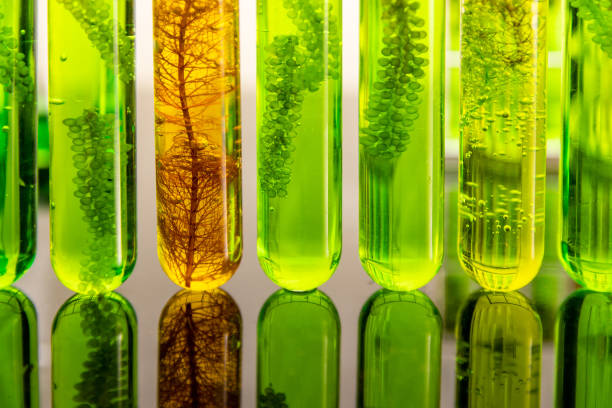
Biotechnology combines biology with technology to develop solutions in areas such as healthcare, pharmaceuticals, agriculture, food science, environmental protection and industrial production. Studying biotechnology abroad can give students access to specialised laboratories, research-led teaching, interdisciplinary programmes and exposure to international scientific environments.
For the 2026-27 academic cycle, students can explore biotechnology and related programmes across destinations such as the UK, Canada, Germany, the Netherlands and Australia. However, the right choice depends on your academic background, preferred specialisation, budget, language requirements and long-term career plans.
This guide explains biotechnology courses abroad, eligibility, popular study destinations, approximate costs, scholarships, application requirements and career opportunities so you can plan your next step with greater clarity.
Why Study Biotechnology Abroad in 2026-27?
Biotechnology is a broad field rather than a single career pathway. Depending on your programme, you may work with molecular biology, genetics, microbiology, bioinformatics, pharmaceutical development, agriculture or industrial processes.
International universities can provide opportunities to learn through laboratory classes, research projects, internships and interdisciplinary coursework. For example, Canada’s official education portal highlights hands-on learning, modern laboratories and connections between universities, research institutions and biotechnology sectors as part of its health and life-sciences ecosystem.
Studying abroad can also help you:
- Develop practical laboratory and research skills.
- Explore specialised biotechnology disciplines.
- Work with modern scientific equipment and techniques.
- Learn from researchers and academics from different backgrounds.
- Build an international academic and professional network.
- Gain exposure to biotechnology, pharmaceutical and life-science industries.
- Prepare for further study such as a PhD.
The value of studying abroad ultimately depends on the programme you select. A specialised course with strong laboratory or industry components may be more relevant to your goals than simply choosing a destination because it is popular.
What Can You Study in Biotechnology Abroad?
Biotechnology programmes vary significantly between universities. Before applying, check the curriculum carefully to see whether it matches your interests.
Molecular Biology and Genetic Engineering
This area focuses on biological processes at the molecular and cellular level.
Depending on the programme, subjects may include:
- Molecular biology
- Genetics
- Genetic engineering
- Cell biology
- Microbiology
- Biochemistry
- Genomics
- Proteomics
These subjects can be particularly relevant for students interested in research, diagnostics, therapeutic development and molecular biotechnology.
Biopharmaceutical and Biomedical Biotechnology
Biopharmaceutical biotechnology applies biological science to areas such as drug discovery, therapeutic development and biomanufacturing.
Programmes may cover:
- Drug development
- Biopharmaceutical production
- Immunology
- Cell and tissue culture
- Pharmaceutical biotechnology
- Clinical research
- Bioprocessing
For example, the University of Toronto’s Master of Biotechnology combines science and business coursework and offers fields including biopharmaceuticals and digital health technologies. Its programme also includes industry experience.
Bioinformatics and Computational Biology
Modern biotechnology increasingly depends on data.
Students interested in this area may study:
- Bioinformatics
- Computational biology
- Genomics
- Biological data analysis
- Programming
- Statistics
- Systems biology
This pathway can suit students who enjoy both biological sciences and computational or quantitative work.
Agricultural and Industrial Biotechnology
Biotechnology is not limited to medicine.
Other applications include:
- Crop biotechnology
- Plant genetics
- Food biotechnology
- Environmental biotechnology
- Industrial biotechnology
- Fermentation
- Biomanufacturing
The Netherlands, for example, offers specialised programmes connecting biotechnology with agriculture, food, molecular sciences and engineering. Study in NL lists programmes such as Biotechnology and Crop Biotechnology and Engineering for international students.
Best Countries for Biotechnology Studies
There is no single destination that is suitable for every biotechnology student. Compare countries based on programme content, admission requirements, research opportunities, overall budget and your intended career pathway.
| Country | What students can explore | Important consideration |
|---|---|---|
| UK | Biotechnology, biomedical sciences, molecular biology and life sciences | Programme fees and duration can vary significantly |
| Canada | Biotechnology, health sciences, biopharmaceuticals and research | Compare programme-specific tuition and study-permit requirements |
| Germany | Biotechnology, biochemistry, molecular biology and related sciences | Public-university tuition policies vary by programme and state |
| Netherlands | Biotechnology, molecular sciences, agricultural biotechnology and life sciences | Check non-EU tuition and programme deadlines carefully |
| Australia | Biotechnology and broader science/life-science programmes | Confirm that the institution and course are appropriate for international students |
United Kingdom
The UK has a broad range of science and life-science programmes. Study UK notes that biology degrees can provide preparation for fields including biotechnology, while biomedical-science programmes can combine scientific knowledge with practical laboratory experience.
A biotechnology-related UK programme may be suitable if you want to specialise in areas such as:
- Molecular biology
- Biomedical science
- Biotechnology
- Pharmaceutical science
- Genetics
- Biochemistry
For example, the University of Manchester’s MSc Biotechnology and Enterprise accepts relevant backgrounds including biotechnology, biochemistry, cell biology, genetics, life sciences, microbiology and molecular biology.
Canada
Canada provides study options across biotechnology, health sciences and life sciences. The official EduCanada portal highlights opportunities for practical experience in laboratories and research facilities and identifies biotechnology and pharmaceutical-related career areas.
Examples of programmes to investigate include the University of Toronto’s Master of Biotechnology and the University of British Columbia Okanagan’s Master of Biotechnology.
UBC Okanagan’s programme includes laboratory-based courses, computational biology and biotechnology internships.
Germany
Germany can be an attractive option for students interested in research-oriented science and biotechnology. DAAD states that tuition fees are not charged for most bachelor’s and master’s degrees at public higher-education institutions, although exceptions apply, including certain master’s programmes and policies in particular states.
Students should therefore check the specific university, programme and state rather than assuming that every biotechnology course is tuition-free.
Germany can be particularly relevant for students interested in:
- Biotechnology
- Biochemistry
- Molecular biology
- Bioprocess engineering
- Pharmaceutical research
- Industrial biotechnology
Netherlands
The Netherlands has a strong selection of English-taught science and life-science programmes.
Study in NL currently lists a Biotechnology master’s programme at Wageningen University & Research taught in English. For the 2026-27 academic year, the listed non-EU/EEA tuition is approximately €21,900 for that particular programme.
More broadly, Study in NL states that average non-EU/EEA tuition is approximately €9,000–€20,000 per year for bachelor’s programmes and approximately €12,000–€30,000 for master’s programmes, although individual programme fees vary.
Australia
Australia offers biotechnology and related life-science courses across universities and higher-education providers.
Before applying, international students should use Australia’s official CRICOS system to confirm that the institution and course are registered for students on student visas.
When comparing Australian programmes, consider:
- Course specialisation
- Laboratory facilities
- Industry experience
- Research opportunities
- Tuition fees
- Location
- Student-support services
- Applicable visa requirements
Biotechnology Universities and Programmes to Explore
Instead of choosing a university based only on rankings, compare its curriculum, laboratory facilities, research areas, internships and entry requirements.
Wageningen University & Research
Wageningen University & Research offers a two-year MSc Biotechnology listed through Study in NL. The programme is taught in English and includes 120 ECTS credits. For 2026-27, Study in NL lists approximately €21,900 in tuition for non-EU/EEA students.
The university can be particularly relevant to students interested in biotechnology connected with biological sciences, food, agriculture and related research areas.
University of Manchester
The University of Manchester offers an MSc Biotechnology and Enterprise. Its 2027 programme information identifies relevant academic backgrounds including biotechnology, biochemistry, cell biology, genetics, life sciences, microbiology and molecular biology.
Students should note that the university had not yet published the 2027 tuition fee when the programme page was checked; the university lists the 2026 fee only as a reference.
University of Toronto
The University of Toronto offers a Master of Biotechnology through the Institute for Management & Innovation. The 24-month programme combines science and business and includes biopharmaceutical and digital-health technology fields.
For international applicants, the programme has specific academic, English-language and application requirements, so students should check the current admissions page before preparing an application.
University of British Columbia
UBC Okanagan offers a Master of Biotechnology designed around biotechnology industry skills. The programme is approximately 16 months and includes laboratory-based coursework and internships.
For the September 2027 intake, UBC currently lists an application opening date of November 15, 2026 and an application deadline of January 15, 2027 for domestic and international applicants.
Because deadlines can change, always verify them on the university’s admissions page before applying.

Eligibility to Study Biotechnology Abroad
Eligibility depends on the university, level of study and specialisation.
For Bachelor’s Programmes
Students applying after Class 12 may generally need:
- A recognised secondary-school qualification.
- Strong academic preparation in relevant science subjects.
- Biology and/or chemistry where required by the programme.
- Mathematics or physics where specified.
- English-language proficiency if required.
- Any additional documents requested by the university.
Individual universities may have different subject prerequisites, so do not assume that studying biology alone will meet every programme’s requirements.
For Master’s Programmes
Applicants usually need a relevant bachelor’s degree.
Depending on the course, accepted backgrounds can include:
- Biotechnology
- Biology
- Biochemistry
- Microbiology
- Molecular biology
- Chemistry
- Biomedical sciences
- Life sciences
- Bioengineering
- Pharmaceutical sciences
- Related engineering disciplines
For example, the University of Manchester identifies several biological-science backgrounds for its MSc Biotechnology and Enterprise, while the University of Toronto accepts relevant backgrounds in biological sciences, chemistry, engineering and related fields for its Master of Biotechnology.
English Language Requirements for Biotechnology Courses
English-language requirements vary by university and programme.
Commonly accepted tests may include:
- IELTS Academic
- TOEFL
- PTE Academic
- Cambridge English qualifications
However, the required score is not universal.
For example, Manchester’s MSc Biotechnology and Enterprise currently specifies an IELTS overall score of 6.5 with 6.5 in each component.
The University of Toronto’s Master of Biotechnology currently lists an IELTS requirement of 7.0 overall with minimum component requirements for applicants who need to demonstrate English proficiency.
Always check the exact requirement for your chosen programme because an English score accepted by one university may not meet another university’s standard.
Documents Required for Biotechnology Applications
The exact document list depends on the institution and course, but international applicants commonly need:
- Academic transcripts
- Degree or school completion certificates
- Passport
- English-language test score
- Statement of purpose or letter of intent
- CV or résumé for postgraduate applications
- Letters of recommendation where required
- Research proposal for certain research programmes
- Portfolio or additional academic evidence where applicable
- Application forms and supporting documents
For example, the University of Toronto’s Master of Biotechnology asks applicants to provide documents such as transcripts, a résumé, letter of intent and references, with additional requirements applying to international applicants.
Cost of Studying Biotechnology Abroad
The total cost depends heavily on the country, university, programme length and city.
You should plan for:
- Tuition fees
- Accommodation
- Food
- Local transportation
- Health insurance
- Study materials
- Visa-related expenses
- Travel
- Personal expenses
Approximate Tuition Considerations
There is no single international tuition fee for biotechnology.
For example:
- Netherlands: non-EU/EEA master’s tuition commonly falls within an approximately €12,000–€30,000 annual range across master’s programmes, while individual biotechnology programmes can differ.
- Germany: many public-university bachelor’s and master’s programmes do not charge tuition, but exceptions apply depending on the programme and state.
- Canada: EduCanada reports average university tuition of approximately CAD 41,746 per year for international undergraduate students and approximately CAD 24,028 for international graduate students across universities; biotechnology programmes can differ substantially from these averages.
- UK: programme-specific fees can vary considerably. For example, Manchester lists approximately £40,400 for international students for its 2026 MSc Biotechnology and Enterprise intake; the 2027 fee was not yet set when checked.
These figures are examples rather than a universal biotechnology budget. Check the university’s current fee page before making financial decisions.
Scholarships for Biotechnology Students
Scholarships can reduce the financial burden of studying abroad, but eligibility and funding levels differ widely.
Look for:
- University scholarships
- Government scholarships
- Research funding
- Merit-based awards
- Need-based funding
- Country-specific scholarships
- Erasmus Mundus opportunities
- Department-level awards
Some European programmes list specific scholarship opportunities alongside their programme information. For example, Study in NL lists scholarship options for the Biotechnology programme at Wageningen University & Research.
For Canadian universities, EduCanada also notes that international students may find scholarships, fellowships and grants through governments, provinces, territories and educational institutions.
Do not assume that every scholarship covers full tuition or living expenses. Read the eligibility conditions, application deadline and funding coverage carefully.
How to Apply for Biotechnology Courses Abroad
A structured application plan can help you avoid missed deadlines.
Step 1: Define Your Biotechnology Specialisation
First decide whether you are more interested in:
- Medical biotechnology
- Pharmaceutical biotechnology
- Molecular biology
- Genetics
- Bioinformatics
- Agricultural biotechnology
- Industrial biotechnology
- Environmental biotechnology
Your specialisation can help narrow down suitable universities.
Step 2: Shortlist Universities
Compare universities based on:
- Course modules
- Entry requirements
- Research areas
- Laboratory facilities
- Internship opportunities
- Programme duration
- Tuition fees
- Location
- Scholarship availability
- Career support
Step 3: Check Academic Eligibility
Review the programme’s official requirements and compare them with your subjects, grades and previous qualification.
This is especially important for master’s applications because some programmes require specific coursework in areas such as molecular biology, chemistry or microbiology.
Step 4: Prepare Your English Test
If an English-language test is required, plan your preparation early.
Allow enough time for:
- Test preparation
- Exam booking
- Receiving scores
- Retaking the test if necessary
Step 5: Prepare Your Application Documents
Organise transcripts, recommendation letters, CVs, statements and other documents before the deadline.
Your statement should clearly explain why you selected the programme and how it connects with your academic or career plans.
Step 6: Submit University Applications
Apply through the university’s official application system or the required national application platform.
Keep a record of:
- Application deadlines
- Login details
- Application numbers
- Required documents
- Application fees where applicable
- Interview requirements
Step 7: Plan Your Student Visa
Admission to a university and approval for a student visa are separate processes.
After receiving an offer, check the current immigration requirements for your destination country.
Career Opportunities After Studying Biotechnology Abroad
Biotechnology graduates can work across multiple scientific and commercial areas.
Potential career directions include:
- Biotechnology research
- Pharmaceutical research
- Laboratory science
- Biopharmaceutical production
- Quality control
- Quality assurance
- Clinical research
- Molecular biology
- Bioinformatics
- Bioprocessing
- Food biotechnology
- Agricultural biotechnology
- Environmental biotechnology
- Regulatory affairs
- Scientific communication
- Research management
Canada’s official education portal identifies biotechnology and pharmaceutical specialists, biomedical researchers, laboratory professionals and health-data roles among career areas related to health and life sciences.
Your actual career options will depend on your qualification, specialisation, technical skills, work experience and the professional regulations applicable to the country where you want to work.
How to Choose the Right Biotechnology Programme
Instead of asking only which country is best, compare programmes according to your own priorities.
Consider these questions:
| Factor | What to check |
|---|---|
| Specialisation | Does the curriculum match your area of interest? |
| Laboratory work | How much practical training is included? |
| Research | Are there research projects or thesis opportunities? |
| Industry exposure | Are internships or industry projects available? |
| Programme length | Does the duration suit your plans? |
| Tuition | What is the current international student fee? |
| Living costs | Can you manage the expected cost of the location? |
| Entry requirements | Do your qualifications satisfy the prerequisites? |
| Language | Is the programme taught in English or another language? |
| Career pathway | Does the programme support your intended next step? |
For research-focused students, faculty research areas and laboratory opportunities may deserve particular attention. For students seeking industry careers, internships and industry-oriented coursework may be more important.
Common Mistakes Biotechnology Students Should Avoid
Choosing a University Without Checking the Curriculum
A university may offer a biotechnology-related programme but not the specialisation you want.
Always read the modules before applying.
Assuming Every Biotechnology Course Has the Same Eligibility
Requirements vary considerably. Some programmes may accept several science backgrounds, while others require specific subjects.
Looking Only at Tuition Fees
A lower tuition fee does not automatically mean a lower total budget.
Consider accommodation, transport, insurance, food, visa-related expenses and other living costs.
Ignoring Application Deadlines
International applications may require additional documents, credential assessments or English test scores.
Start early enough to handle these requirements.
Treating Admission and Visa as the Same Process
A university offer does not itself guarantee a student visa.
Applicants must independently satisfy the immigration requirements of the destination country.
Choosing a Course Only for Its Job Prospects
Career outcomes depend on multiple factors, including your skills, specialisation, experience, location and the relevant labour market.
Choose a programme that also fits your academic interests and long-term goals.
This article is for educational and informational purposes. University admission requirements, tuition fees, visa rules, scholarships, immigration policies and post-study opportunities may change. Students should verify the latest information with the relevant university, government authority, immigration department, embassy or official source before making a decision.

FAQs
Is biotechnology a good course to study abroad?
Biotechnology can be a suitable option for students interested in biology, genetics, molecular science, pharmaceuticals, healthcare, agriculture, food science or industrial applications. The right programme depends on your preferred specialisation and career goals.
Which country is best for biotechnology?
There is no single country that is the right choice for every student. The UK, Canada, Germany, the Netherlands and Australia all offer biotechnology or closely related life-science programmes. Compare curriculum, eligibility, research opportunities, tuition, living costs and career plans before choosing.
Can Indian students study biotechnology abroad after Class 12?
Yes. Indian students can apply to relevant undergraduate biotechnology and life-science programmes abroad if they meet the university’s academic and language requirements. Subject prerequisites can vary, so check each programme individually.
Can I study biotechnology abroad after a BSc?
Yes. Students with bachelor’s degrees in subjects such as biotechnology, biology, biochemistry, microbiology, molecular biology, chemistry or related disciplines may qualify for master’s programmes, depending on the university.
Do I need IELTS to study biotechnology abroad?
Not necessarily. Requirements depend on the university and your previous education. Some institutions accept alternative English tests or provide exemptions under specific conditions. Always check the official programme requirements.
What jobs can I get after studying biotechnology abroad?
Possible career areas include biotechnology research, pharmaceutical science, laboratory science, biopharmaceutical production, clinical research, bioinformatics, quality control, regulatory affairs and bioprocessing. Your options depend on your qualification, specialisation and relevant work experience.
Key Takeaways
Studying biotechnology abroad in 2026-27 can open academic pathways across molecular biology, pharmaceuticals, biomedical science, bioinformatics, agriculture and industrial biotechnology.
The most important step is to choose the programme rather than the destination alone. Compare the curriculum, eligibility requirements, laboratory and research opportunities, approximate total cost, scholarships and career relevance before applying.
Start your research early, prepare your academic and English-language documents carefully, and verify current university and visa requirements before submitting your applications.
Start Your Study Abroad Journey
If you are planning to study abroad and need help understanding your options, you can connect with a LetzStudy counsellor for personalised guidance. We can help you explore suitable countries, universities, courses, eligibility requirements, application steps and other aspects of your study-abroad journey based on your academic profile and goals.
Book a Free Consultation
