


Introduction
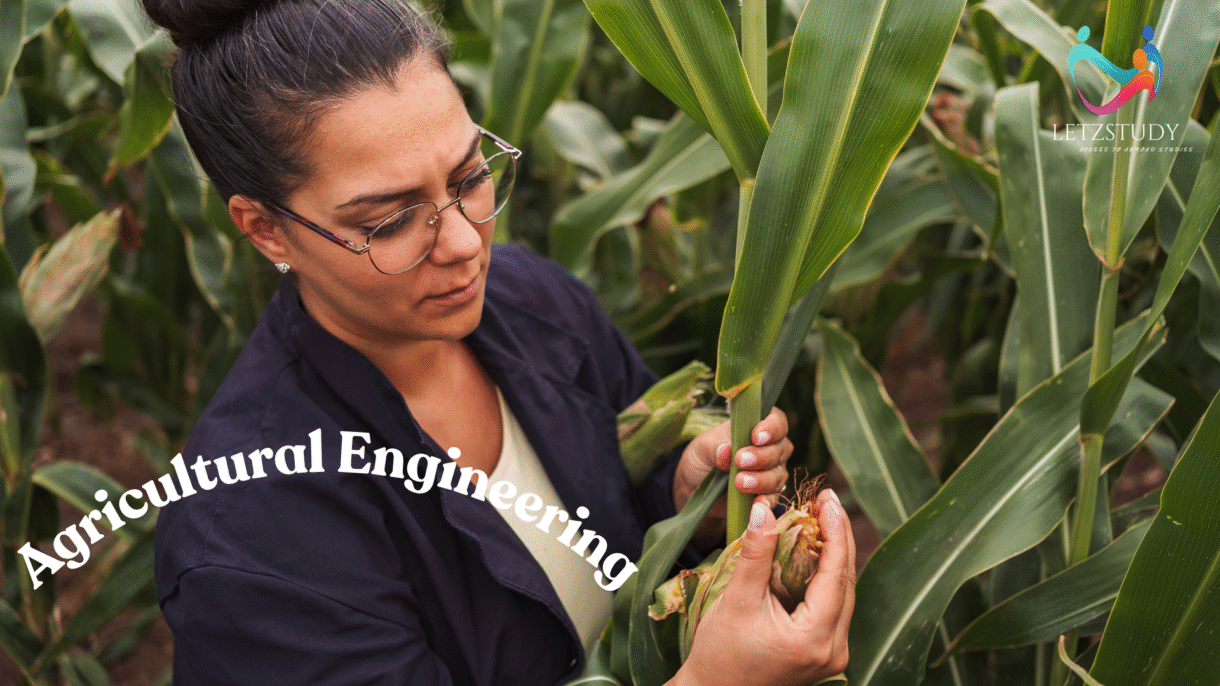
If you’ve just completed your 12th year with PCM and you’re thinking of the possibility of a job that integrates sustainability, technology and real-world impacts agricultural engineering could be the right choice. This field goes far beyond conventional farming, and integrates engineering concepts in agriculture to increase efficiency, decrease labor costs and increase food security. From creating intelligent irrigation systems to constructing sophisticated farm machinery agricultural engineers are defining the future of agriculture. If you’re interested in establishing an interesting, exciting job while solving real-world challenges this guide will take you through all the information you should learn.
What is Agricultural Engineering? (Featured Snippet Definition)
Engineering in agriculture is a field of engineering which applies science and technology concepts to irrigation, food production as well as environmental sustainable.
Why Choose Agricultural Engineering After 12th PCM?
High Demand in Modern Agriculture
With the growing demand for food worldwide there’s a great need for engineers with the ability to innovate methods of farming.
Blend of Technology and Nature
You’ll be working using AI robotics, robotics and automation, while helping to create sustainable agriculture.
Government and Private Opportunities
Both provide stable and lucrative careers.
Eligibility Criteria for Agricultural Engineering
Basic Requirements
- You must complete 12th grade by completing 12th grade with Physics, Chemistry, and Mathematics (PCM)
- Minimum marks 50-60% (varies according to the college)
Entrance Exams
- JEE Main / JEE Advanced
- Engineering entrance tests at the state level
- ICAR AIEEA (for agriculture-focused institutions)
Top Courses in Agricultural Engineering
Bachelor’s Degree (B.Tech/B.E. )
- Time: 4 years
- The main focus is Engineering and Agriculture integration
Diploma Courses
- Duration: 2 to 3 years
- Learning that is based on practical experience
Specializations You Can Choose
Farm Machinery & Power
Create tractors, harvesters, and other tools
Soil & Water Engineering
Pay attention to water conservation and irrigation systems.
Food Processing Engineering
Food preservation and packaging
Renewable Energy in Agriculture
Design solutions for solar-powered agriculture
6 Common Causes of Career Confusion in Agricultural Engineering
- A lack of knowledge about the field
- Preference for the traditional engineering branches
- Untruths about low salaries
- Limited exposure in schools
- Rural job sites are feared because of the rural environment
- Unclear career growth path
Skills Required for Agricultural Engineering
Technical Skills
- Experience with machinery and tools
- Understanding of crop and soil science
Soft Skills
- Capacity to solve problems
- Analytical thinking
- Communication skills
Career Opportunities After Agricultural Engineering
Government Jobs
- Agricultural Officer
- Irrigation Engineer
- Research Scientist
Private Sector Jobs
- Agri-tech companies
- Food processing industries
- Companies that manufacture equipment
Emerging Roles
Precision Agriculture Specialist
Make use of AI and data for intelligent farming
Sustainability Consultant
It focuses on sustainable farming practices

Salary Expectations in Agricultural Engineering
Entry-Level Salary
Rs3-6 LPA
Mid-Level Salary
Rs6-10 LPA
Experienced Professionals
Rs10+ LPA
Note: Salary can vary depending on the skills of the employee, their the location, and the business.
13 Expert Tips for Agricultural Engineering Success in 2026
- Establish solid foundations in PCM
- Concentrate on learning through practical experience
- Make use of modern tools such as GIS and IoT
- Stay informed about the latest developments in agriculture technology.
- Do you want to start internships in the early years?
- Connect with experts from the industry
- Real-life projects
- Improve communication skills
- Explore government exams
- Learn the basics of coding
- Follow the latest innovations in agriculture
- Attend seminars and workshops.
- Think about higher-level studies to specialize.
Real-World Case Study
How Technology Transformed Farming
A young engineer for agriculture in India installed an drip irrigation scheme in a village that was prone to drought.
Result:
- Reduction in water use by 40 percent.
- The yield of the crop was up by 30%.
- Farmers’ income doubled
This demonstrates how agricultural engineering can have a real impact.
Statistics & Trends in Agricultural Engineering
- Agriculture is a major contributor approximately 18% to India’s GDP
- The demand for solutions to agri-tech is increasing rapidly
- The market for precision farming is expected to increase significantly by 2030.
Challenges in Agricultural Engineering
Initial Salary Concerns
When compared to IT beginning salaries, IT appear to be to be lower.
Field Work Requirement
Certain roles require work on site in farms.
Awareness Gap
Many students aren’t aware of the potential of this subject.
Future Scope of Agricultural Engineering
Rise of Smart Farming
Utilization of drones, AI and automation
Sustainable Agriculture Focus
Eco-friendly solutions are in great demand.
Global Opportunities
The work in these countries is focused on advanced agriculture
Final Thoughts
Agricultural Engineering12th PCM isn’t only a job, but an opportunity to invent that can change lives and contribute to world food security. If you’re looking to blend your engineering expertise with practical problem-solving skills this field has a lot of potential. This path might not be as well-known as other engineering fields but it’s an extremely important and attainable choices you can make.
It’s risky to guess your career path after Class 12 science. LetzStudy helps you identify high-growth, high-paying opportunities based on your strengths—not just marks. From course selection to international admissions, they guide you throughout
For more information, connect us on LinkedIn, and for daily updates, follow us on Instagram.
Universities regularly update their fees, eligibility, and policies. While we aim to keep this content accurate, readers should always check official sources for the latest information.
