



Physiotherapy is more than just exercise and getting better. It’s a science-based field of medicine that aims to restore movement, improve quality of life, and stop long-term health problems. Physiotherapy is a great choice for students who want to study abroad because it combines a lot of academic depth with hands-on learning and a real global need.
Due to aging populations, sports injuries, and conditions related to lifestyle, many countries are actively looking for trained physiotherapists. Studying physiotherapy in another country gives students access to more advanced equipment, treatment methods that are based on evidence, and clinical settings with people from many different cultures.
It also makes it possible to get a license in another country, earn more money, and move up in your career over time. Physiotherapy is a great choice if you want a healthcare career that is useful, respected, and will last.
Why There Is a Lot of Demand for Physiotherapy Around the World
More and more people need rehabilitation professionals
There are clear reasons why the demand for physiotherapy is going up.
People live longer.
More and more people are playing sports.
Desk jobs can cause pain and bad posture that lasts for a long time.
Because of all of this, there is a high demand for skilled physiotherapists in hospitals, clinics, sports centers, and rehabilitation centers.
Good chances of getting a job after graduation
Most countries put physiotherapy in the categories of skilled or healthcare jobs. That makes it more likely that you’ll get a job after school and in the long run.
Why You Should Study Physiotherapy Abroad
Access to advanced educational systems
A lot of universities in other countries spend a lot of money on healthcare education. From the first semester, students get to work with modern labs, motion analysis tools, and real clinical exposure.
Exposure to clinical settings in other countries
When you study abroad, you learn how different healthcare systems work. This experience improves clinical judgment and the ability to adapt.
Improved career flexibility
A degree from another country is often recognized all over the world. Graduates can work in many countries over the course of their careers if they have the right licenses.
Best Places to Study Physiotherapy
Countries that are known for teaching physiotherapy
Some places are always popular with physiotherapy students because they have good schools and strong healthcare systems.
Australia
Australia is known for its hands-on training and good job opportunities after school. There is a steady need for physiotherapy graduates.
UK
The UK has programs that are based on evidence and include clinical placements through the NHS.
Canada
Canada focuses on physiotherapy that is based on research and has great facilities for rehabilitation.
New Zealand
New Zealand has a great place to live and learn.
The Structure of Physiotherapy Courses Abroad
What students usually learn
Physiotherapy programs are very structured, but they are also very hard.
The main subjects are
• The structure and function of the human body
• Biomechanics
• Therapy through exercise
• Neurology and orthopedics
• Rehabilitation for the heart and lungs
Parts of clinical training
Most colleges and universities require supervised clinical hours. This is where theory and real patients come together.
Requirements for Physiotherapy Programs
Requirements for school
Most colleges and universities want you to have some science knowledge.
Requirements that are common
• Biology at the high school or college level
• The university’s minimum GPA requirement
Being able to speak English well
Most of the time, you have to take the IELTS or a similar test. Scores are different for each country and school.
How Much It Costs to Study Physiotherapy Abroad
A look at tuition fees
The fees vary by country and university.
• Most of the time, undergraduate programs cost more because they last longer.
• Postgraduate programs may cost more per year, but they last less time.
Costs of living
Costs of living are very different. Students should plan ahead for their housing, food, transportation, insurance, and school supplies.
Grants for Students in Physiotherapy
Ways to get financial help
Many colleges and governments give out scholarships based on how well you do in school or how much you need them.
Most common types
• Scholarships that are only for one university
• Grants paid for by the government
• Money for graduate students based on research
Planning ahead greatly increases your chances of getting a scholarship.
Getting a License and Working After Graduation
Comprehending professional registration
In most countries, physiotherapy is a profession that is regulated.
What graduates need to do
• Sign up with a national physiotherapy council
• Pass any required licensing exams
• Finish all of your supervised practice hours
This process makes sure that patients are safe and that professionals follow the rules.
Career Options After Studying Physiotherapy in Another Country
Where physiotherapists work
Careers in physiotherapy go beyond hospitals.
Common places of work
• Centers for rehabilitation
• Teams and places to work out
• Clinics that are not open to the public
• Homes for the elderly
• Research and higher education
Expectations for pay
Pay depends on the country, the level of experience, and the area of expertise. Physiotherapists who specialize often make a lot more money.
Specializations in Physiotherapy
Advanced career options
Professionals who specialize stand out.
Well-known places
• Physiotherapy for sports
• Rehabilitating the nervous system
• Physiotherapy for kids
• Care for the elderly
• Physical therapy for the heart and lungs
These fields often have more job openings and pay better.
Is Physiotherapy the Right Thing for You?
Important skills for this field
Physiotherapy is not solely academic.
Students who do well usually have
• Good at talking to people
• Stamina in the body
• Understanding and patience
• Ability to solve problems
This field is a good fit for you if you like helping people get better and stay active.
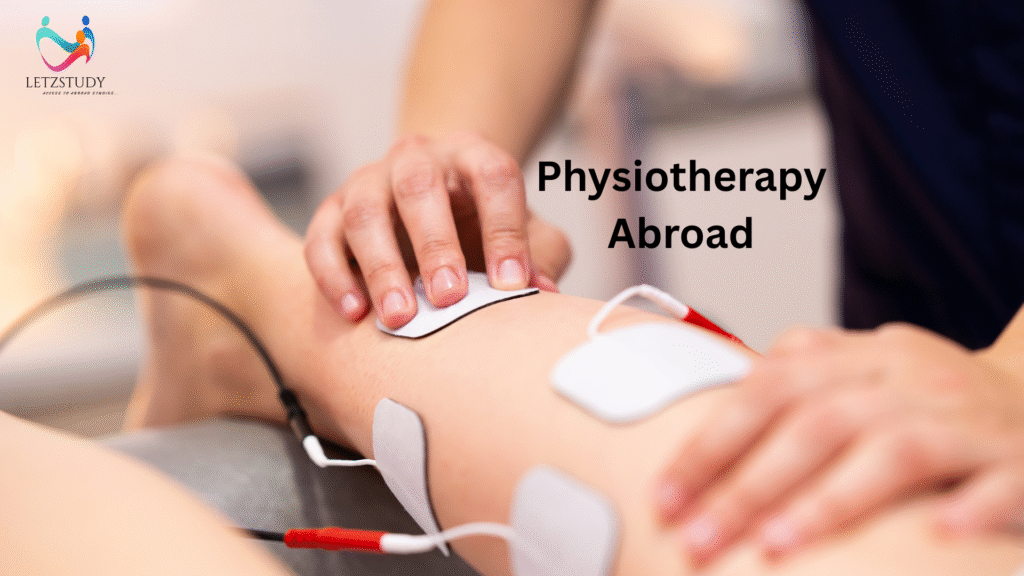
Long-Term Career Outlook for Physical Therapy
A healthcare job that will always be needed
It is improbable that physiotherapy will be automated or substituted. Touch, judgment, and human assessment are still very important parts of treatment.
In other words, this means stability. Graduates get jobs that are growing all over the world.
A quick definition of what physiotherapy really does
Physical therapy, also known as physiotherapy, is the health field that evaluates, restores, maintains, and improves movement and function. Physiotherapists use exercise, manual therapy, education, and technology to help people get better after an injury, manage a long-term condition, avoid disability, and improve their performance. (Physiotherapy Around the World)
Why This Is Important Right Now
The fact is that musculoskeletal conditions are still the most common cause of disability in the world. About 1.7 billion people have a musculoskeletal condition, and low back pain is the most common cause of disability in many countries.
This makes physiotherapy services very popular. Physiotherapists also say that a lot of their work causes musculoskeletal symptoms. These two facts make it clear that we need better management, systems, and training right away. The World Health Organization
Six Common Reasons Why People Have Physiotherapy Problems
When I say “physiotherapy problems,” I mean the common reasons people go to physical therapy and the common problems therapists have when trying to give good care.
- Low back pain and lumbar disorders are the most common cause of disability in the world.
- Bad posture, desk work, and doing the same thing over and over again can cause pain in the neck and shoulders.
- Injuries from sports and traumatic joint problems like ACL tears, rotator cuff tears, and ankle sprains.
- Chronic pain with biopsychosocial factors (sleep, mood, central sensitization).
- Barriers in the health system include not enough space for rehab, not enough equipment, or shorter session times.
- Practitioner overuse injuries and burnout among physiotherapists.
Thirteen Useful Tips for Managing Physiotherapy
- Focus on graded exercise.
- Think about function, not just pain scores.
- Track measurable wins like range and load progression.
- Use education to understand pain.
- Sleep, hydration, and nutrition matter.
- Ask for integrated care plans.
For doctors and clinics
- Follow care pathways and track outcomes.
- Use ergonomics and workload caps.
- Prioritize supervised progressive loading.
- Use telehealth wisely.
- Create early referral triage systems.
- Review outcomes regularly.
- Keep learning and follow evidence-based practice.
How to Judge What Other People Think
- Do they cite primary evidence?
- Are effect sizes explained?
- Do they follow guidelines?
- Are outcomes patient-centered?
Important Numbers and Facts You Should Know
• 1.71 billion people affected globally
• WMSDs prevalence over 50% among physiotherapists
• Exercise-based programs show consistent benefit
Thinking About Going Abroad for Physiotherapy
• Australia, UK, Canada, US, New Zealand
• Registration pathways vary
• Choose programs with strong clinical placements
Three Well-Known Physiotherapy Articles
- BMJ clinical trials review
- Exercise therapy evidence summary
- Pelvic floor physiotherapy classic papers
Two Expert Quotes
• Physiotherapy is about movement, and movement is life.
• A great physiotherapist finds the root cause.
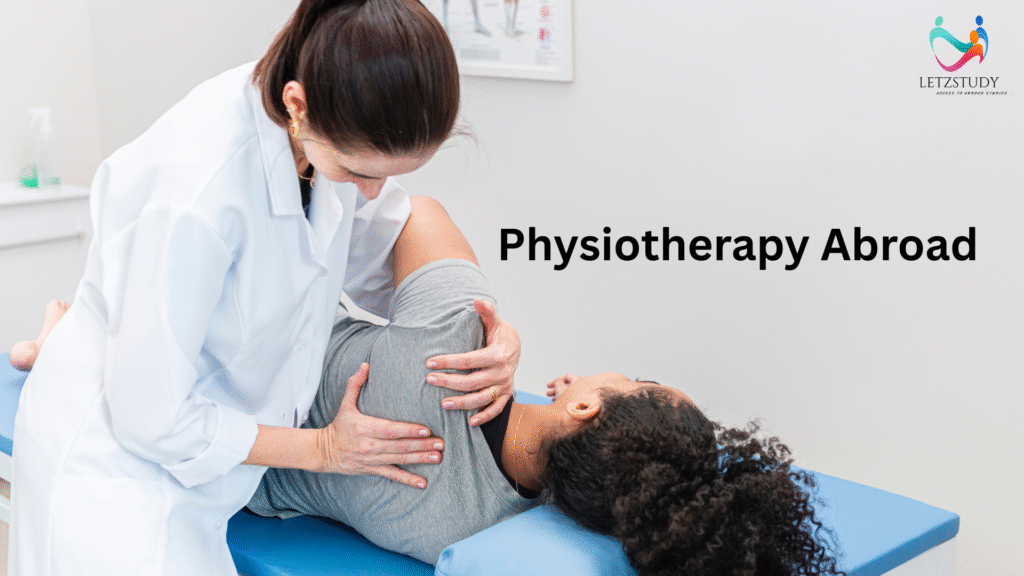
How LetzStudy Helped Three Physiotherapy Students from Karnataka
Ananya Rao — Bengaluru
Ananya had the grades, but she wasn’t sure which physiotherapy program to choose. LetzStudy got involved early on, helped her narrow down her list of universities that fit her clinical interests, and made the licensing process clearer. The honest advice about workload and internships was very helpful. Today, she knows where she wants to go with her studies and is already making plans for her clinical specialization.
Prakash Shetty — Mangaluru
Prakash was worried about meeting the requirements, getting the right paperwork, and the deadlines. LetzStudy went through everything one step at a time. He always knew what was going to happen next, from evaluating profiles to keeping track of applications. The clarity took away a lot of stress, and he could focus on getting ready for school instead of worrying about the process.
Nithin Kumar — Mysuru
Nithin didn’t want empty promises; he needed real advice. LetzStudy helped him see how physiotherapy education is related to real-life clinical practice and career outcomes. He made smart choices and stayed away from expensive mistakes that many students make at the beginning because he had structured counseling and realistic expectations.
Are You Ready to Move On?
If you want clear, useful advice about your future in physiotherapy, get in touch with LetzStudy today.
For more information, connect us on LinkedIn, and for daily updates, follow us on Instagram.
Universities regularly update their fees, eligibility, and policies. While we aim to keep this content accurate, readers should always check official sources for the latest information.
